
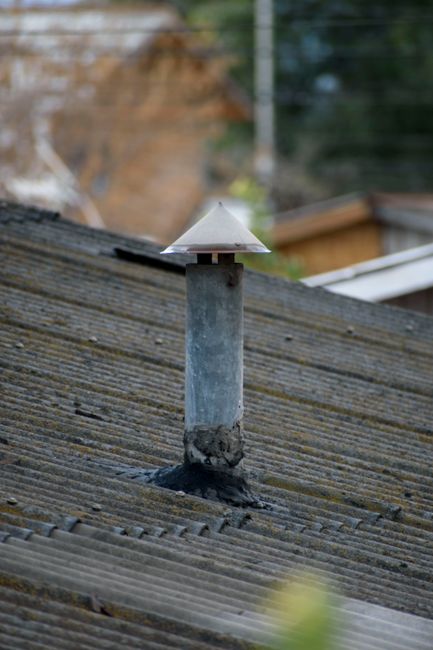
What does roof ventilation do?
Proper roof ventilation allows outdoor air to move through the attic or roof assembly in a controlled way. Fresh air typically enters through lower intake vents near the eaves or soffits, while warmer, moist air exits through higher vents near the ridge or upper roof areas.
This airflow helps regulate temperature and moisture beneath the roof. It does not mean leaving the attic open to drafts or installing as many vents as possible. Effective ventilation depends on balanced intake and exhaust openings, clear airflow paths, adequate insulation, and proper air sealing between the living space and attic.
For homes in Peru, NY, ventilation is especially relevant because the roof experiences cold winters, snow, freeze-and-thaw cycles, humid summers, and wide temperature changes throughout the year.
Why is roof ventilation important in a cold, snowy climate?
Roof ventilation helps reduce moisture buildup and limits the temperature differences that contribute to winter roof problems. During cold weather, warm air from the living space can rise into the attic if gaps around light fixtures, attic doors, plumbing penetrations, or ductwork are not properly sealed.
When that warm air reaches cold roof sheathing, condensation can form. Over time, repeated condensation may contribute to:
- Damp or compressed insulation
- Mold or mildew growth
- Rusted fasteners and metal components
- Rot in roof decking or framing
- Peeling paint or staining near ceilings
- Reduced insulation performance
Ventilation alone cannot correct air leaks from the home into the attic. Air sealing and insulation work together with ventilation. The goal is to keep indoor moisture out of the attic while allowing unavoidable moisture to escape.
Can roof ventilation help prevent ice dams?
It can reduce the conditions that contribute to ice dams, but it cannot guarantee that ice dams will never form.
An ice dam develops when snow on a roof melts over a warmer section and then refreezes near a colder roof edge. The resulting ice can block drainage and allow water to move beneath shingles or into vulnerable roof areas.
A properly insulated and air-sealed attic helps keep the roof surface more evenly cold. Balanced ventilation can also carry away heat and moisture near the underside of the roof deck. These measures may lower the risk of uneven melting.
However, roof ventilation is only one part of ice-dam prevention. Snow depth, roof shape, shade, insulation levels, air leakage, gutters, and weather conditions also affect the outcome. Heavy snow followed by fluctuating temperatures can create problems even on a well-maintained roof.
What are the main types of roof vents?
Most vented attic systems use a combination of intake and exhaust vents.
Soffit or eave vents are located along the lower roof edges. They allow cooler outdoor air to enter the attic. These vents must remain open and should not be blocked by insulation.
Ridge vents run along the roof peak and allow warm air to escape. They are often effective when paired with continuous soffit intake.
Gable vents are installed in the vertical walls at the ends of a roof. They may provide useful airflow in some designs, although they do not always ventilate every part of an attic evenly.
Roof, box, or static vents are installed near the upper roof surface. They can provide exhaust ventilation when the roof design does not allow a ridge vent.
Powered attic fans use electricity to move air. They are not automatically better than passive ventilation. If a fan pulls air from the attic floor or living space instead of from properly designed intake vents, it can increase unwanted air leakage and draw conditioned air into the attic.
The correct system depends on the roof shape, attic layout, insulation arrangement, and existing ventilation openings.
How can homeowners tell whether attic ventilation is inadequate?
Some warning signs are visible from the attic, while others appear inside the home or on the roof.
Look for:
- Frost or water droplets on the underside of the roof deck during winter
- Musty odors or visible mold
- Wet, flattened, or discolored insulation
- Rust around nails, fasteners, or metal ductwork
- Sagging or stained roof sheathing
- Peeling paint or ceiling discoloration
- Excessive heat in the attic during summer
- Shingles that appear prematurely aged or distorted
- Blocked soffit vents or insulation packed tightly against the roof deck
A single sign does not always prove that ventilation is the cause. Roof leaks, plumbing leaks, bathroom exhaust, dryer moisture, and air leakage can create similar symptoms.
Should bathroom fans and dryers vent through the roof?
Moisture-producing exhaust fans and dryers should discharge outdoors through properly installed, sealed ducts. They should not release air into the attic.
Bathroom showers, cooking, laundry, and normal household activity add water vapor to indoor air. If that moisture is directed into the attic, it can condense on cold surfaces and create problems even when roof vents are present.
Exhaust ducts should also be insulated where needed, routed as directly as practical, and terminated with suitable exterior outlets. Long, poorly supported, or disconnected ducts can restrict airflow and allow moisture to collect.
Does adding more vents always improve a roof?
No. More vents do not necessarily mean better ventilation.
A system with too much exhaust ventilation and too little intake ventilation may pull air from unintended areas, including gaps in the attic floor. This can draw warm, moist indoor air upward during winter.
Vent openings can also conflict if different exhaust systems compete with one another. For example, combining certain high exhaust vents with ridge ventilation may disrupt the intended airflow pattern rather than improve it.
Ventilation should be designed as a balanced system. Intake vents need to remain unobstructed, exhaust vents should be placed high on the roof, and insulation should not block the air channel between the soffits and roof peak.
What should be checked before adding attic insulation?
Before adding insulation, the attic should be examined for leaks, blocked vents, moisture damage, and air leaks from the living space. Insulation should not simply be piled over an existing problem.
Important checks include:
- Confirming that soffit vents are open
- Installing or maintaining baffles where insulation could block airflow
- Sealing gaps around wiring, pipes, chimneys, and attic access panels
- Keeping bathroom and dryer exhaust routed outdoors
- Checking roof penetrations and flashing for water entry
- Making sure insulation is evenly distributed
- Preserving required clearances around heat-producing equipment
Building requirements may apply when a roof is replaced, an attic is altered, or insulation and ventilation are changed. Requirements can vary by construction type and project scope, so code questions should be verified before work begins.
How does roof ventilation affect summer comfort?
Ventilation can reduce heat buildup in an unconditioned attic by allowing hot air to escape and cooler outdoor air to enter. This may reduce heat transfer through the ceiling and help the home’s cooling system operate under less strain.
The benefit is greatest when the attic floor is properly insulated and air-sealed. If the attic floor has large openings, ventilation may pull conditioned air from the living space, wasting energy rather than improving comfort.
Ventilation also helps protect roofing materials from prolonged high temperatures. It does not replace adequate insulation, reflective roofing choices, shade, or proper air sealing.
What is the practical takeaway for local homeowners?
A durable roof system needs more than sound shingles. It also needs a dry attic, controlled airflow, intact insulation, sealed indoor air leaks, and properly routed exhaust ducts.
For homes in Peru, NY, seasonal roof care should include looking for blocked soffit vents, winter condensation, signs of ice dams, attic moisture, and exhaust fans that terminate in the wrong location. If the attic contains visible mold, rotted framing, wet insulation, active leaks, or unsafe electrical or combustion conditions, evaluation by a qualified building or roofing specialist is appropriate because those conditions involve more than routine ventilation maintenance.
