
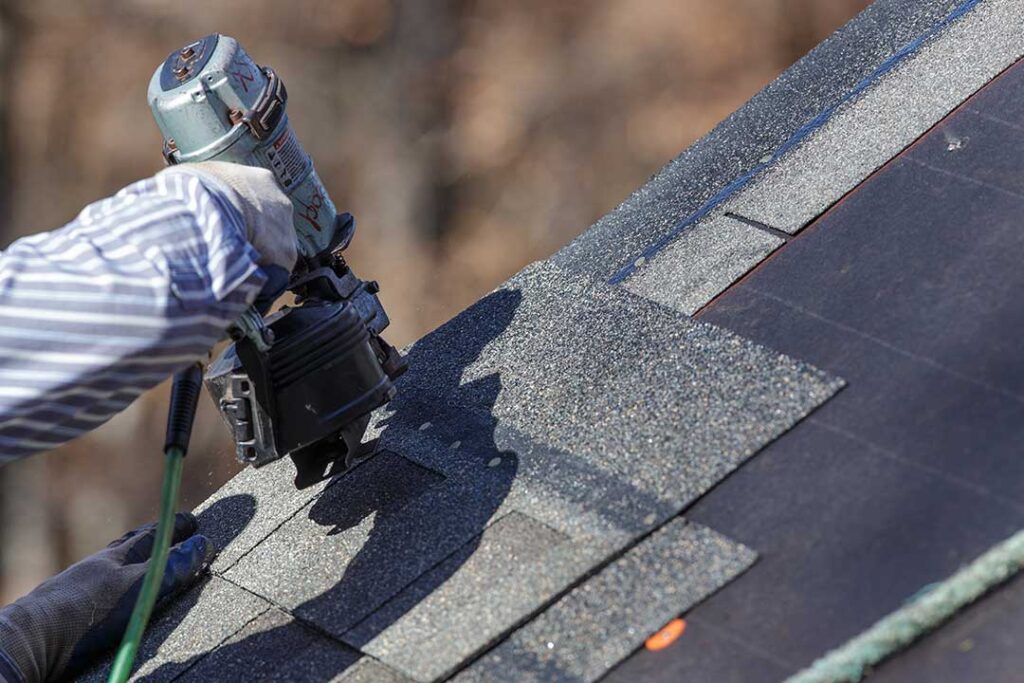
What Are the Typical Reasons Roofs Leak in Peru, NY?
The majority of roof leaks in Peru, NY result from a combination of local weather patterns, construction age, and maintenance challenges. From heavy winter snow loads to spring rainstorms, area roofs contend with a range of stressors that can expose even minor weaknesses.
How Do Damaged or Missing Shingles Create Leaks?
Shingle problems are among the most recognizable causes of roof leaks. When shingles crack, curl, or blow off, water can seep beneath the protective layers of the roof. In the city, high winds, especially in open or rural areas, can strip shingles away over time. Homes with older asphalt shingles may see granule loss, exposing the material underneath and speeding up deterioration.
A misconception is that missing shingles will always result in sudden major leaks. Often, small leaks develop slowly, making their way into attic spaces before any staining appears indoors. It’s common for Peru homeowners to miss early signs, as affected areas may not be easily visible from the ground.
Can Flashing Issues Cause Water Intrusion?
Absolutely. Flashing refers to the thin metal strips installed where the roof meets features like chimneys, skylights, and vents. Poorly installed, rusted, or lifted flashing allows water to bypass the shingles and enter the home directly.
Freeze-thaw cycles, which are typical in the area from late fall through early spring, cause metal flashing to expand and contract. This movement can create small gaps around nails or seams. Even minor separation can funnel water into the underlying layers, often causing leaks tucked behind walls or ceilings that emerge during or after heavy precipitation.
How Do Clogged Gutters Lead to Roof Leaks?
Blocked gutters are a common but often overlooked culprit. Gutters direct water away from the roof and foundation, but when leaves, pine needles, and debris clog these channels, water backs up and pools at the roof’s edge. Over time, this can lead to:
- Water seeping under the bottom row of shingles
- Damage to the fascia board (the wood board along the roof edge)
- Ice dams in winter (see below)
Many local households report leaks near the eaves during spring thaws or after long periods of rain, when accumulated debris is at its peak and gutters are overwhelmed.
What Role Do Ice Dams Play in Roof Leaks?
Ice dams form when snow on the roof melts, then refreezes at the eaves, preventing proper drainage. In Peru, freeze-thaw cycles and variable winter temperatures make ice dams a common winter roofing problem. As water backs up behind the dam, it can force its way beneath the roofing material—even in otherwise well-maintained homes.
Contrary to popular belief, adding more roof insulation isn’t always a complete solution. Proper ventilation, gutter maintenance, and thorough snow removal near the roof edge during cycles of melting and refreezing are all essential for local residents.
Are Roof Penetrations Frequent Leak Sources?
Any penetration—such as plumbing vents, exhaust pipes, or skylight frames—disrupts the continuous surface of the roof. Over time, the seals around these features can dry out, split, or shrink, especially under UV exposure or wide temperature swings. Even a small crack in caulking or flashing around these penetrations can become a pathway for water.
Area households with older or original roof features may face increased risk, especially if previous repairs used generic caulking rather than weatherproof materials rated for the local climate.
Does Attic Moisture or Condensation Cause Leaks?
Leaks aren’t always caused directly by water coming through the shingles. Inadequate attic ventilation or insufficient insulation often leads to condensation on the underside of the roof deck. This can mimic the appearance of a roof leak, presenting as water stains or mold growth indoors.
Peru’s humid summers and cold winters heighten these risks because the temperature difference between indoor air and the attic space can be stark. Moisture accumulating in attic spaces may be mistaken for a leaking roof when the root cause is trapped air and humidity.
How Does Roof Age Influence Leak Risk?
All roofing materials degrade over time, and older roofs are much more likely to develop leaks. Typical asphalt shingle roofs in the city last 15–25 years, but exposure to wind, sun, and ice can accelerate wear. As roofing ages:
- Seals under shingles may become brittle or loose
- Granules fall away, exposing vulnerable layers
- Flashing corrodes or loses adhesion
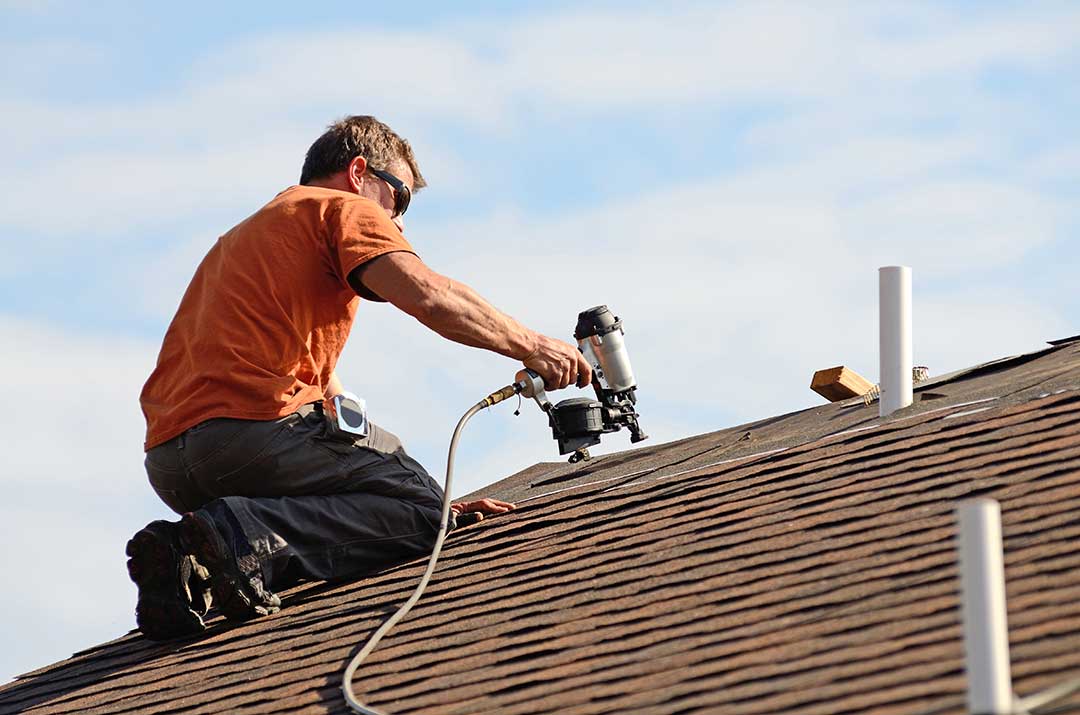
Even if a roof looks fine from a distance, small problems may accumulate over seasons until leaks become visible inside. Regular assessment—especially after storms or heavy winds—is especially valuable for homes with aging roofing materials.
What Are Some Overlooked or Less Obvious Leak Sources?
Not every leak stems from dramatic shingle loss or gutter failure. Other common but less obvious sources include:
- Nail pops: Roofing nails that work their way out over the years can create tiny holes
- Damaged underlayment: This waterproof barrier beneath the roofing material can tear or decay, especially on older roofs
- Animal damage: Birds, squirrels, or raccoons sometimes damage shingles, flashing, or attic vents in search of nesting spots
- Satellite dish or antenna mounts: Any attached hardware presents a potential water entry point if not properly sealed
Local residents often find that maintaining not just the roof surface, but also the smaller elements, prevents many of these subtle and frustrating leaks.
What Steps Can Residents Take to Reduce Leak Risk?
Minimizing roof leaks involves a combination of proactive care and quick identification of early warning signs. For most homes in the community, these actions make a noticeable difference:
- Inspect roofing after each major storm for missing or damaged shingles
- Clean gutters at least twice per year—late fall and early spring are ideal times in the city’s climate
- Watch for early attic signs of leaks, like discoloration or a musty smell after rain
- Check for loose flashing and sealant around chimneys, vents, and skylights annually
- Rake snow from low roof edges carefully during thaws to reduce ice dam risk
- Address minor issues quickly before they lead to deeper water damage
Being aware of Peru, NY’s unique weather patterns, combined with regular maintenance, helps area homeowners stay a step ahead of most common roof leak causes.
