
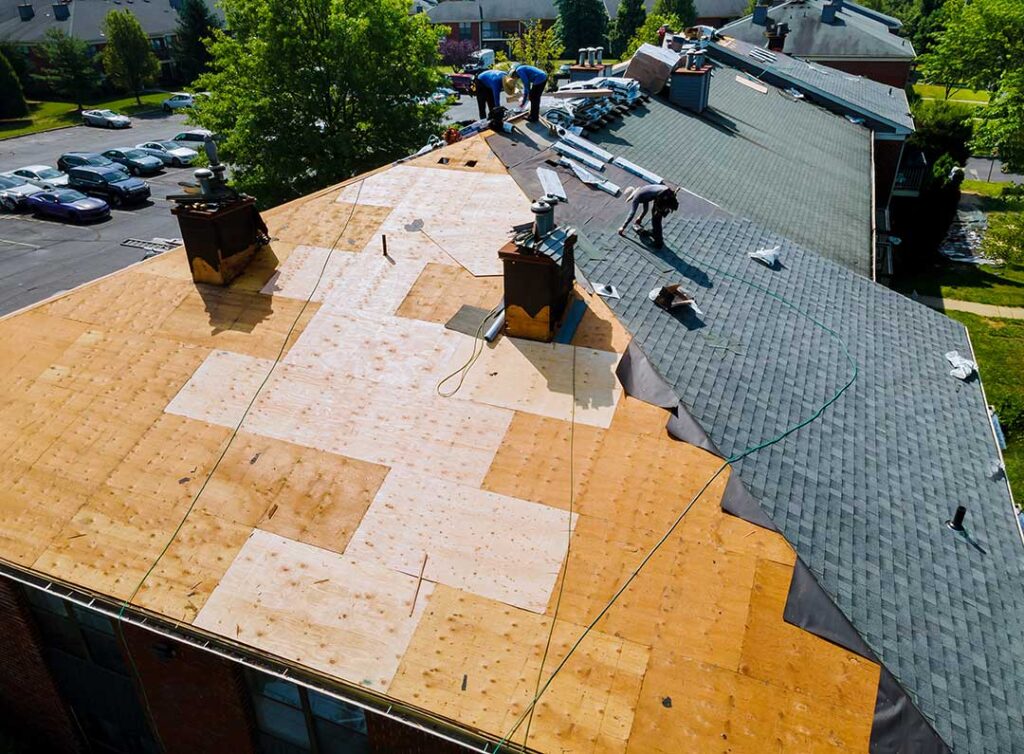
Why Are Roof Inspections Essential for Peru, NY Homeowners?
Regular roof inspections help prevent larger issues by catching problems early, reducing the risk of costly water damage or structural repairs. In Peru, NY, local weather patterns—such as heavy snowfall in winter, spring rain, and temperature changes—put added stress on roofs. Ensuring your roof is in solid shape protects the entire house from the elements throughout the year.
Extreme temperatures can cause materials to expand and contract, leading to cracks, warping, or loss of granules from shingles. Melted snow or ice can back up under roof coverings if drainage is blocked. Because of these seasonal risks, area households benefit from checking their roofs at least once a year and after major weather events.
What Should Be Included in a Thorough Roof Inspection?
A comprehensive inspection looks beyond simple shingle checks. It includes the following elements:
- Shingles or Roofing Material: Inspect for missing, cracked, curling, or worn sections.
- Flashing: Check metal edges or sealants around chimneys, skylights, and vents for signs of rust, cracks, or separation.
- Gutters and Downspouts: Ensure these are clear of debris and securely attached.
- Roof Structure: Look for signs of sagging, which can indicate deeper structural problems.
- Attic or Upper Ceiling: From inside, survey for stains, moisture, or daylight leaks that may reveal hidden damage.
Homeowners should approach roof inspections with care, ideally from the ground or using binoculars. Walking on the roof can be hazardous and may void certain roofing warranties.
When Is the Best Time for Area Homeowners to Inspect Their Roof?
The optimal times for examining roofs in Peru are during the spring and fall, after winter’s freeze-thaw cycles or before snow sets in. Inspections after strong storms, especially those including high winds or hail, are also valuable.
Early spring checks reveal damage from ice dams or snow accumulation. Fall provides a good window to prepare the roof for heavy snow and cold. Homeowners who discover an issue—such as a water stain on the ceiling or missing shingles—should investigate the cause right away.
What Are Common Roofing Issues in the Community?
Roofs in the local area frequently face challenges unique to the region's climate and environment:
- Ice Dams: Melting snow refreezes at eaves, potentially forcing water beneath shingles.
- Wind Damage: Gusts can lift, break, or remove shingles, exposing the roof to water.
- Moss or Algae Growth: Shaded areas and moisture can encourage green patches between roof cleanings.
- Clogged Gutters: Leaves and debris accumulate especially in wooded neighborhoods, interfering with drainage and causing water to back up under shingles.
Inspectors should look for subtle early signs, such as a slight curl at the edge of a shingle or minor staining, which often signal bigger problems to come if left unaddressed.
Can Homeowners Do Their Own Roof Inspection Safely?
Many residents can perform basic visual checks safely from the ground. Look for:
- Obvious shingle problems
- Debris on the roof or in gutters
- Sagging or visible unevenness in the roof line
- Staining or streaks on exterior walls just below the roofline
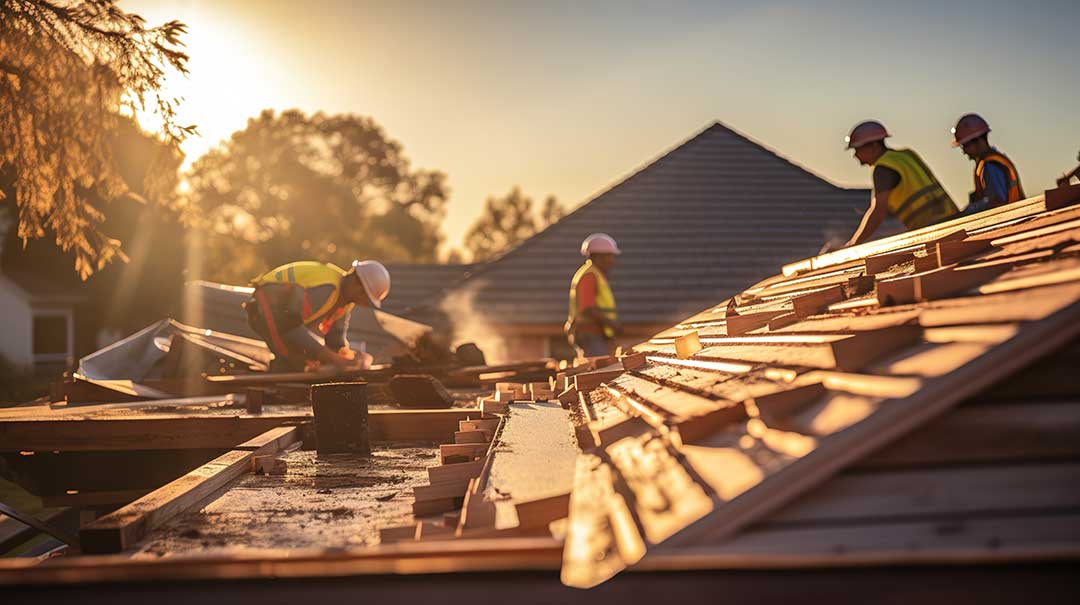
If an up-close look is needed, using a sturdy ladder to view eaves or gutters is common, but extra caution is crucial. Residents should avoid getting on the roof, especially if it is steep, slippery, or higher than a single story.
If the inspection reveals hazards such as sagging, structural instability, large areas of missing shingles, or evidence of wildlife intrusion, stopping and consulting experts is safest due to the risk of injury or further damage.
How Do Local Weather and Building Styles Affect Roof Longevity?
Homes in the area show a mix of roof types, from traditional asphalt shingles to metal or newer composite designs. The longevity of each is influenced by local factors:
- Heavy winter snow loads put strain on aging or flat roofs.
- Wind-driven precipitation can work rain beneath flapping or loose shingles.
- Older homes may have less ventilation in attics, increasing the chance of condensation and wood rot.
Area roofs generally last 15–30 years depending on the material and care. Well-ventilated attics, routine cleaning of gutters, and seasonal checks extend the useful life of most roofs.
What Mistakes Do Homeowners Commonly Make With Roof Inspections?
Some pitfalls include:
- Neglecting attic inspections: Many leaks start below the roof surface, where attic staining or musty odors signal trouble.
- Assuming missing shingles always mean immediate leaks: While urgent, missing shingles are not the only indicators of risk—hidden damage can develop before water intrusion is obvious.
- Overlooking gutter health: Clean, secure gutters are as important as the roofing material itself for channeling water safely away from the structure.
- Ignoring small problems: Delaying minor repairs can lead to more serious—and expensive—damage.
By integrating visual roof checks into regular home maintenance, and by remaining aware of the specific seasonal and weather-related challenges in the community, homeowners can protect their investment for years to come.
