
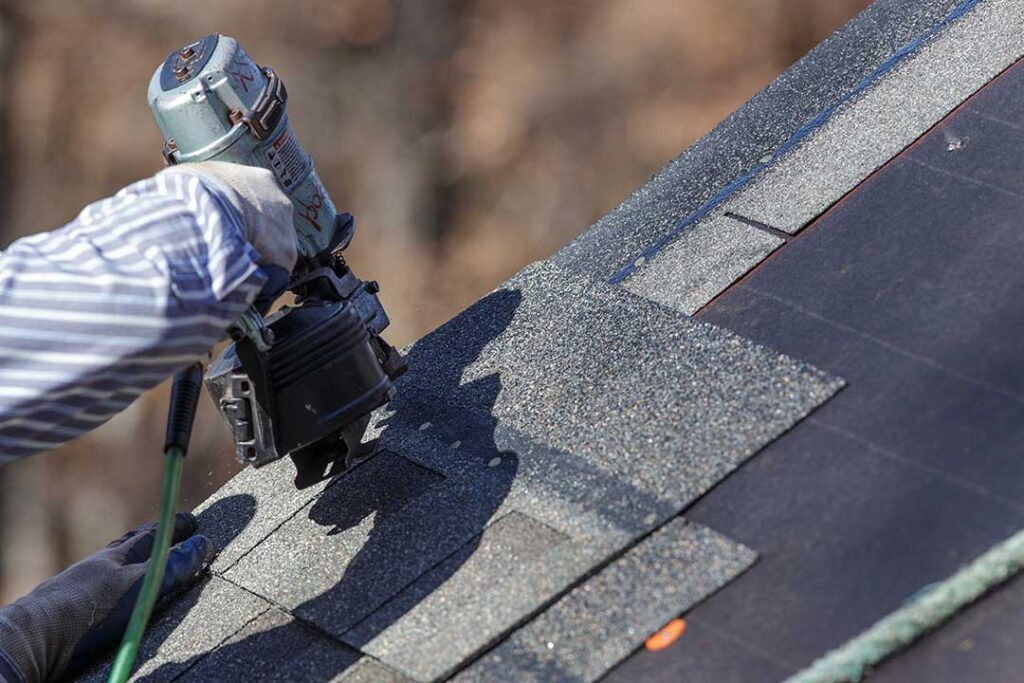
How Does the Local Climate Influence Roof Lifespan?
The climate of Peru, NY—with its cold winters, humid summers, and variable spring and fall weather—plays a significant role in how long a roof lasts and how well it protects a home. Roofs in the city are exposed to weather extremes that can speed up wear and lead to specific maintenance or repair needs.
In winter, heavy snow and ice dams are common. Over time, the freeze-thaw cycle can loosen shingles and cause small leaks to develop. During the warmer seasons, strong sun and high humidity can make roofing materials expand, contract, and sometimes crack.
Homes in Peru typically have roofs designed to handle four full seasons, but even durable materials will eventually show signs of stress under constant exposure.
What Effects Do Snow and Ice Have on Roofing?
Snow accumulation and ice formation can be tough on local roofs. Flat or low-slope roofs, in particular, may hold heavy snow loads for days or weeks.
Direct impacts include:
- Added weight that may strain roof framing, especially older homes.
- Ice dams at eaves, which prevent melting snow from draining, can push water back up under shingles.
- Freeze-thaw cycles widen small cracks, letting in moisture that worsens damage over time.
Icicles along gutters in the area are a clear sign of potential issues. Homeowners sometimes overlook how much unseen moisture remains beneath snow, quietly affecting shingles, nails, and underlying wood. Vigilant attic insulation and ventilation, which many area homes have updated in recent years, can help reduce these risks but not eliminate them entirely.
How Do Heavy Rains and Windstorms Cause Damage?
Rainstorms and wind gusts, especially during late spring and fall, are frequent in Peru. Combined, these elements can quickly reveal weak spots in a roof.
- Wind can lift shingles or metal panels, sometimes curling or detaching them completely.
- Driving rain, especially with wind, finds vulnerable seams or punctures, leading to leaks that may first appear as slow ceiling stains or attic dampness.
- Overflowing gutters, often clogged with falling leaves in the region, worsen water pooling along the edge, which in turn softens wood and erodes protective granules from asphalt shingles.
Even a roof that seems visually intact may have loose flashing (the metal or membrane at joints and edges), allowing hidden water entry. During especially windy storms, even sturdy pine and maple branches may come down, puncturing shingles or flattening vents.
Does Sun Exposure Really Impact Roof Longevity?
Despite cold winters, Peru receives ample sunlight, especially in summer. UV rays gradually break down roofing materials, leading to fading, drying, and brittleness. Asphalt shingles are especially prone to this slow degradation.
Common visible signs of sun-related wear:
- Patches of discolored or curling shingles.
- Granule loss, leaving shiny or bare spots where asphalt wears thin.
- Splitting or brittle wood shakes, if used.
Residents sometimes mistake these subtle changes as mere cosmetic issues, but over time, sun exposure shortens the effective life of most roof coverings.
Are Temperature Swings a Big Concern for Local Roofs?
Temperature fluctuations between day and night—or sudden early spring warm spells followed by cold snaps—create expansion and contraction in nearly all roofing materials.
This ongoing movement can:
- Loosen fasteners and nails, making shingles more vulnerable to wind uplift.
- Cause caulking or sealants at roof joints to crack.
- Open up seams around chimneys, skylights, and vent pipes.
Over several seasons, these small shifts can add up, particularly in roofs nearing the end of their service life or those built before more flexible materials became common.
How Does Humidity and Moss Growth Affect Roofs in the Area?
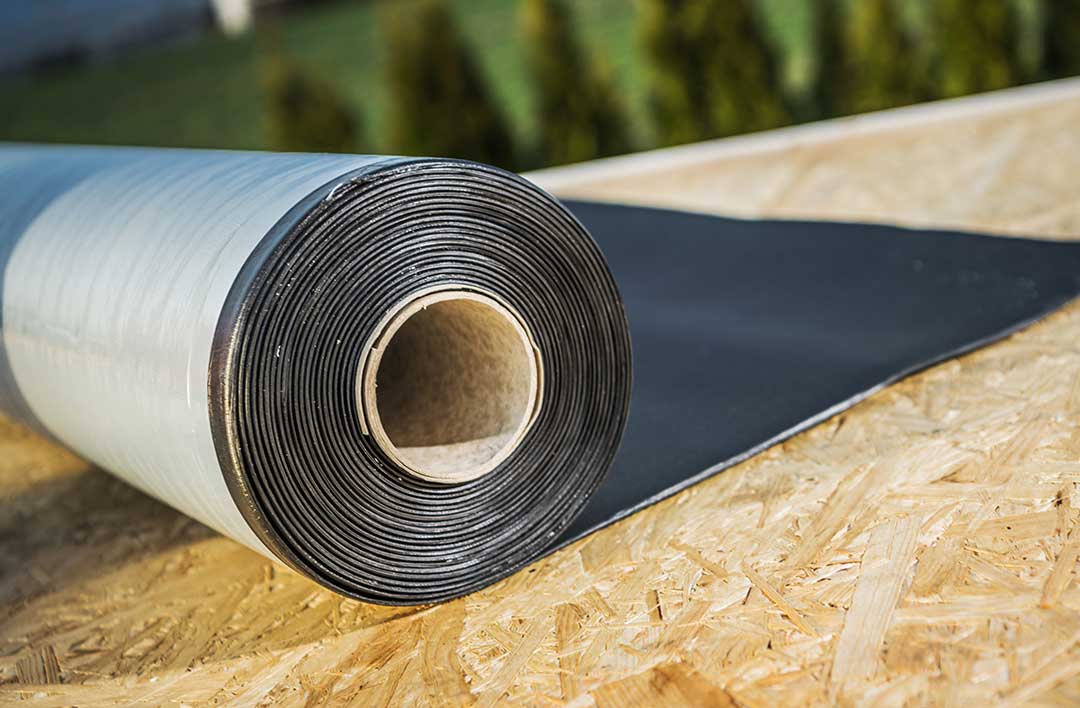
Peru’s humid summers and shaded yards contribute to moss and algae on roofs, especially those with northern or tree-covered exposures.
Fungi and plant growth:
- Trap moisture against the surface, accelerating decay in wood and even undermining asphalt shingles.
- Add weight and may lift edges, allowing water underneath.
- Can clog drainage paths, leading to standing water and eventual leaks.
Some homeowners assume moss is only a cosmetic problem, but ignored, it can shorten the lifespan of even high-quality roofing.
Are There Roof Types or Materials Better Suited to Local Conditions?
Houses in Peru feature a mix of roofing types. Some materials cope better with local weather than others, but no option is immune to all climate impacts.
- Asphalt shingles remain common, but should be rated for cold-weather flexibility.
- Metal roofing resists snow and sheds water efficiently, yet may need extra insulation to prevent ice damming at the eaves.
- Architectural shingles and synthetic options resist wind and sun but need proper installation to avoid lifting or leakage.
The best results come from roofs installed with attention to attic ventilation, ice shield membranes, and compatible flashing systems designed for the local climate.
What Should Residents Watch For Between Seasons?
Residents often spot roofing issues after major weather events or as the seasons change. Regular visual checks—ideally from a safe vantage point, such as the ground or via binoculars—are a wise habit.
Things to monitor:
- Missing, shifted, or visibly worn shingles.
- Leaks or water stains inside, especially around ceilings and in the attic.
- Icicle buildup or pooling water at gutter lines during melt events.
- Moss or plant growth, especially in shady roof areas.
By catching these warning signs early, area homeowners can address small problems before they become larger and more costly.
