
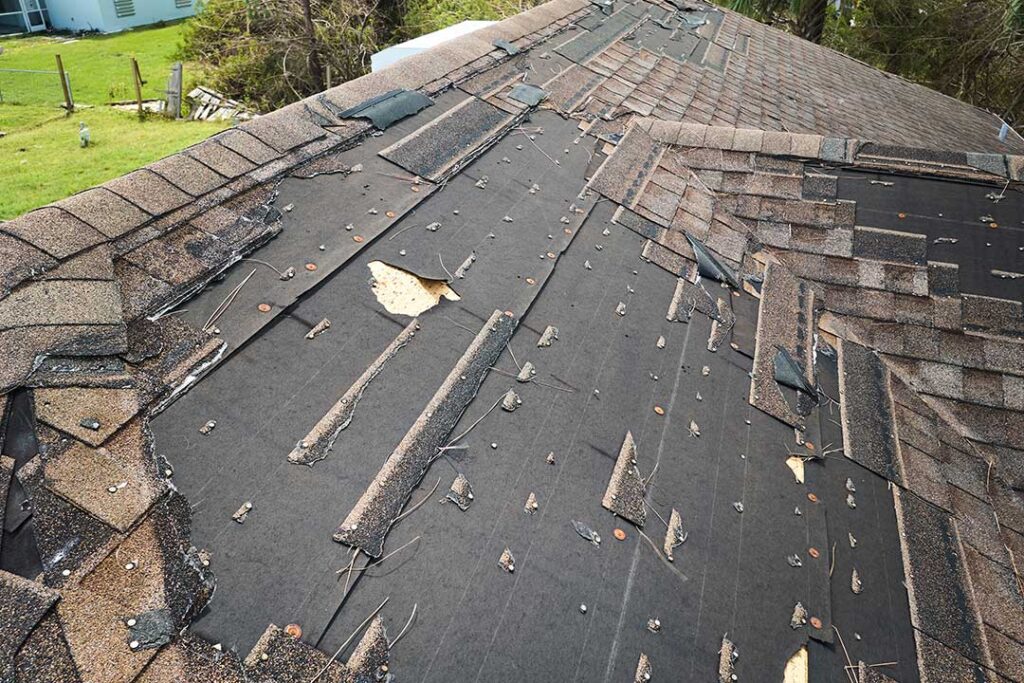
Roofing materials affect more than appearance. The right choice influences winter performance, summer comfort, maintenance needs, service life, and the total cost of owning a home. For residents of Peru, NY, weather exposure is a major consideration because roofs must handle snow, freezing temperatures, ice formation, wind, rain, and repeated seasonal changes.
No single roofing material is ideal for every house. Roof slope, structural capacity, ventilation, attic conditions, surrounding trees, budget, and the expected length of ownership all matter.
What should local homeowners consider first?
The most suitable roofing material is usually the one that balances weather resistance, roof design, maintenance, and long-term cost. A material that performs well in one climate or on one style of house may be less practical on another.
Before comparing materials, consider:
- Roof slope: Some products shed snow and water better on steeper roofs.
- Structural support: Heavy materials may require an evaluation of the roof framing.
- Winter exposure: Ice, snow loads, freeze-thaw cycles, and wind can shorten the life of poorly matched materials.
- Ventilation: Even durable roofing can fail early if heat and moisture remain trapped in the attic.
- Maintenance access: Roofs beneath trees or near heavy snow accumulation may need more frequent inspection.
- Neighborhood appearance: Some homes are better suited to traditional shingles, while others can accommodate metal, slate, or synthetic products.
The roof covering is only one part of the system. Underlayment, flashing, drip edges, ventilation, insulation, and drainage details also affect performance.
Are asphalt shingles a practical choice?
Asphalt shingles remain common because they are relatively affordable, widely available, and compatible with many residential roof designs. They are offered in basic three-tab styles and thicker architectural versions with greater dimensional appearance.
Advantages
- Lower initial cost than many other roofing materials
- Suitable for many roof slopes and common home designs
- Straightforward to repair in isolated areas
- Available in numerous colors and profiles
- Generally lighter than tile, concrete, or slate
Architectural shingles are often better suited to long-term residential use than the thinnest entry-level products. Their heavier construction can provide improved wind resistance and a more substantial appearance.
Disadvantages
- Service life is shorter than many metal, slate, or tile systems
- Shingles can lose granules, crack, curl, or become brittle with age
- Ice and snow can expose weaknesses around valleys, eaves, and flashing
- Dark colors may absorb more heat during sunny summer weather
- Re-roofing may eventually create disposal concerns
For homes in Peru, NY, asphalt shingles can be a sensible option when the roof has good ventilation, properly installed flashing, and adequate protection around areas prone to ice buildup. Shingles alone do not prevent ice dams; attic insulation, air sealing, ventilation, and roof geometry also play major roles.
What are the benefits and drawbacks of metal roofing?
Metal roofing can be made from steel, aluminum, copper, or other alloys. Residential systems are available in exposed-fastener panels, concealed-fastener panels, and styles designed to resemble shingles or standing seams.
Advantages
- Long service life when properly selected and installed
- Strong resistance to wind, rain, and many forms of weather exposure
- Snow may slide off more readily than it does on rough-surfaced roofing
- Lightweight compared with slate, clay tile, or concrete
- Available in recyclable materials and coatings
Metal roofing is sometimes misunderstood as being excessively noisy. With appropriate roof decking, underlayment, insulation, and attic construction, sound levels are generally much less dramatic than people expect.
Disadvantages
- Higher initial cost than basic asphalt shingles
- Panels can dent from falling branches or severe impacts
- Repairs may be more noticeable if replacement panels do not match
- Poorly designed snow retention can allow sudden snow slides
- Expansion and contraction require proper detailing around fasteners and penetrations
In snowy areas, metal roofs need careful planning around entrances, walkways, lower roof sections, and neighboring property lines. Snow guards may be useful in some designs, but they must be matched to the roof system and expected snow loads.
Is slate roofing suitable for residential homes?
Natural slate offers a distinctive appearance and can last for many decades, sometimes longer than the building itself. It is resistant to fire and does not deteriorate in the same way as many manufactured products.
Advantages
- Very long potential service life
- High resistance to fire and weathering
- Traditional appearance that may complement older homes
- Low water absorption compared with many roofing products
Disadvantages
- Very heavy and may require structural assessment
- Expensive materials and specialized installation
- Individual slates can break if walked on improperly
- Repairs require compatible pieces and careful workmanship
- Not practical for every roof framing system
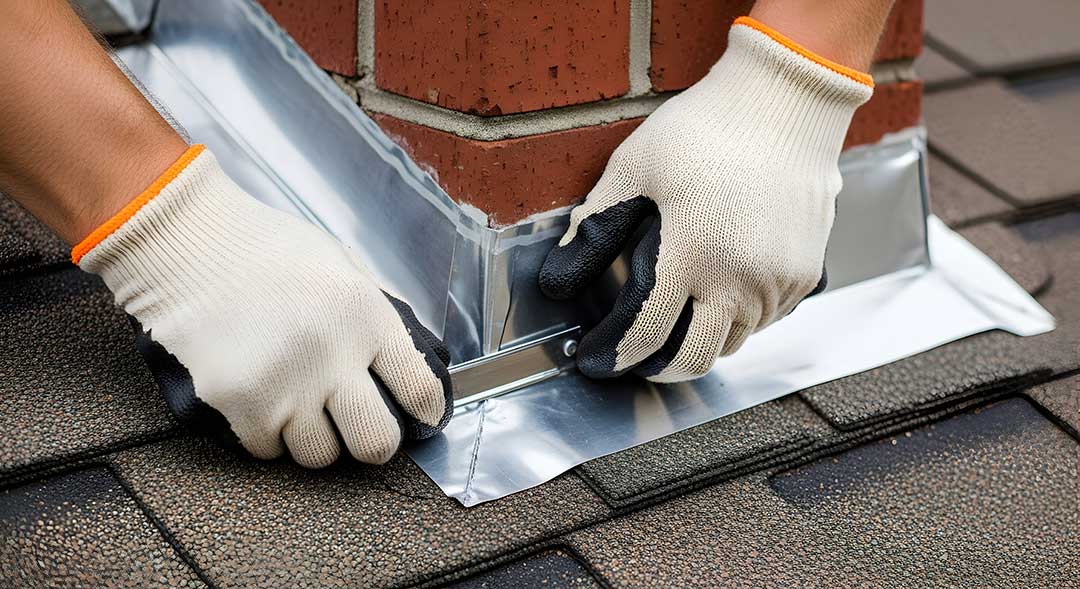
Slate is not simply a heavier version of asphalt roofing. The structure, underlayment, flashing, fasteners, and repair methods all need to be designed for slate. Synthetic slate products may offer a similar appearance with less weight, but their durability varies by product.
How do wood shingles and shakes perform?
Wood shingles and shakes provide a natural appearance and may suit certain architectural styles. Shingles are generally more uniform, while shakes tend to have a rougher, more textured surface.
Advantages
- Attractive natural appearance
- Can complement cottages, older homes, and wooded settings
- Some products can last for decades with proper care
- May weather into a color that blends well with natural surroundings
Disadvantages
- Require more maintenance than many asphalt or metal systems
- Vulnerable to moisture-related decay if ventilation and drainage are poor
- Can be affected by moss, algae, insects, and prolonged shade
- Fire resistance may be a concern depending on the product and local requirements
- Replacement pieces may be difficult to match
Wood roofing is less forgiving of neglect. Leaves, needles, and organic debris should not remain trapped in valleys or against roof edges. Areas under mature trees may require more frequent observation.
What about rubber, synthetic, tile, and other specialty materials?
Synthetic roofing products can imitate slate, wood, or tile while reducing weight. Their performance depends heavily on the material formulation, installation details, and manufacturer testing. Not every product has the same resistance to impact, ultraviolet exposure, or temperature changes.
Clay and concrete tiles can provide long service lives and strong resistance to fire, but they are heavy and may be less common on homes designed for lighter roofing. Rubber roofing is more often associated with low-slope sections or specialized applications than with conventional steep residential roofs.
Specialty materials can be appropriate when their structural, drainage, and maintenance requirements match the house. Appearance alone is not enough to determine suitability.
Which roofing material handles snow and ice best?
No roofing material completely eliminates winter roofing problems. Performance depends on roof slope, insulation, ventilation, flashing, valleys, drainage, and the way snow is managed around the building.
Metal may allow snow to slide, while asphalt shingles provide a rougher surface that can hold snow in place. Neither behavior is automatically better. Sliding snow can create a hazard over doors or walkways, while retained snow adds weight and may contribute to ice formation.
Common winter concerns include:
- Ice dams at roof edges
- Blocked or poorly designed valleys
- Leaking chimney and plumbing penetrations
- Snow accumulation on lower roof sections
- Gutters damaged by ice or falling snow
- Condensation caused by insufficient attic ventilation
A roof that appears to have a durable covering can still leak if flashing is deteriorated or if warm indoor air reaches a cold roof deck.
How should homeowners compare total cost?
The lowest purchase price is not always the lowest long-term cost. A useful comparison includes installation, expected service life, maintenance, repair difficulty, energy effects, snow management, and eventual replacement.
Homeowners should also ask whether the existing roof can support another layer, whether the decking is sound, and whether local permit or code requirements apply. These details can change the project cost substantially.
For many households, asphalt shingles offer the simplest balance of price and practicality. Metal may make sense for those prioritizing longer service life or a different snow-shedding profile. Slate, tile, wood, and synthetic materials require closer attention to structural capacity, maintenance, and specialized repair needs.
The best roofing decision is usually not based on appearance alone. It comes from matching the material to the home’s structure, roof design, winter exposure, maintenance expectations, and the length of time the household expects to remain there.
