
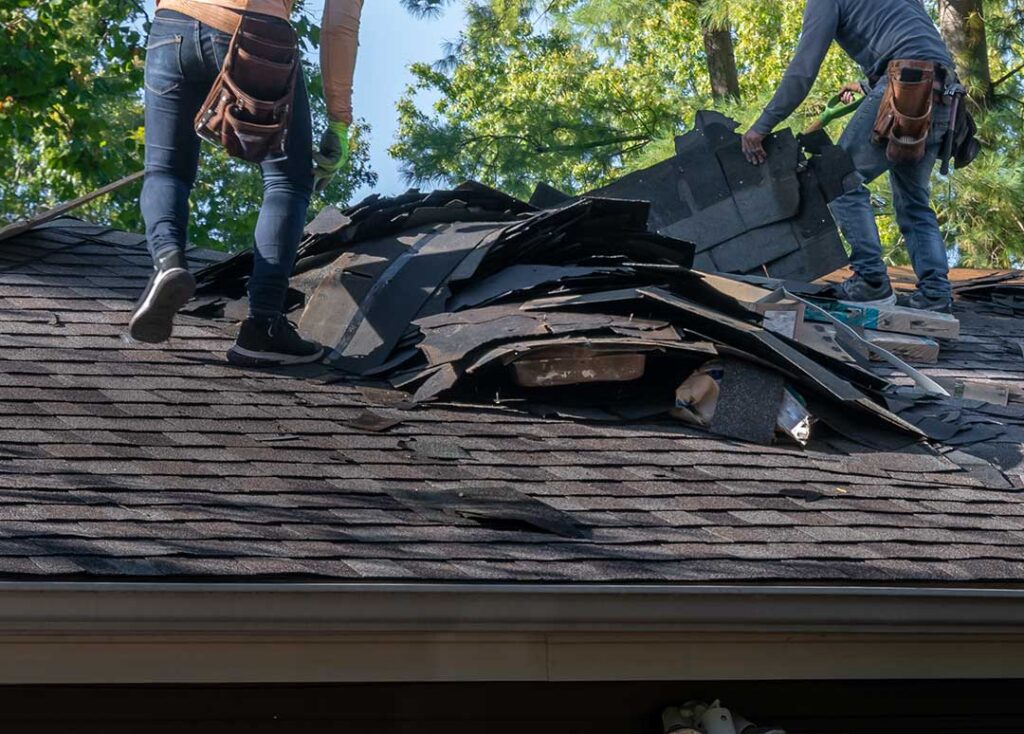
Roof cleaning is safest when it removes loose debris and organic growth without damaging shingles, flashing, gutters, or the people doing the work. For most homes in Peru, NY, the right method depends on the roof’s slope, material, age, height, and the type of buildup present.
A roof does not usually need to look brand new to be in good condition. Light discoloration may be harmless, while heavy moss, packed leaves, or blocked drainage can contribute to moisture problems. Cleaning should focus on preventing damage rather than making every mark disappear.
What should be removed from a roof?
The most common roof debris includes leaves, pine needles, twigs, dirt, moss, algae, and lichen. Each requires a slightly different approach.
Loose leaves and needles can hold moisture against roofing materials, especially in shaded areas. Moss may lift or loosen shingles as it grows beneath their edges. Algae often appears as dark streaks and may be mainly cosmetic, although persistent dampness can signal poor sunlight or drainage.
Before cleaning, identify the material:
- Asphalt shingles require gentle handling.
- Metal roofing can be scratched by abrasive tools.
- Wood shingles may be vulnerable to excess water and aggressive brushing.
- Slate, tile, and specialty roofing materials may crack or shift if walked on.
- Flat or low-slope roofs may have drainage concerns that differ from steep residential roofs.
If the material is unknown, cleaning methods should remain conservative until the roof has been identified.
Is it safe to clean a roof yourself?
It can be safe for a single-story, low-slope roof when the work can be completed from the ground or from a properly positioned ladder. A steep roof, a tall home, a fragile surface, or widespread moss creates a substantially higher risk.
Falls are not the only hazard. Wet shingles become slippery, roof edges may be difficult to see, and ladders can shift on uneven ground. Power equipment can force water beneath shingles, damage flashing, or scatter debris toward people and windows.
Do not climb onto a roof when:
- The surface is wet, icy, frosted, or covered with loose debris.
- The roof is steep enough that balance requires constant effort.
- There are overhead electrical lines nearby.
- The roof has damaged, missing, curled, or visibly soft shingles.
- The work requires stepping near an unprotected edge.
- Wind, rain, or changing weather could affect footing.
- There is uncertainty about ladder placement or fall protection.
A roof that appears simple from the ground can have weak areas that are not visible. If safe access cannot be established without taking a significant fall risk, cleaning from the ground is the better choice.
How can loose leaves and debris be removed safely?
For light debris, use a roof rake designed for the type of roofing involved, or a soft-bristled brush used from a stable location. Work from the roof edge upward only when the tool and footing allow control. Avoid dragging heavy piles across shingles.
Never use a sharp shovel, metal rake, garden hoe, or similar tool on asphalt shingles. These tools can remove protective granules and shorten the surface’s service life. Even a plastic tool can cause damage if pressed firmly or pulled against shingle edges.
Debris should be directed downward, not pushed sideways across the roof. Keep people, pets, vehicles, and fragile plants away from the drop area. Do not allow leaves and moss to collect around downspouts, foundation walls, or basement window wells.
After the roof surface is cleared, inspect gutters and downspouts. Roof cleaning often moves material into the drainage system, where it can form a blockage. Downspout outlets should discharge water away from the foundation rather than directly beside the house.
What is the safest way to deal with moss and algae?
Moss should not be scraped aggressively from shingles. Pulling or scraping can detach the protective granules and lift the roofing material. Instead, loosened growth should be treated gently and allowed to dry or break down according to the product label.
Avoid chlorine mixtures, strong solvents, and homemade chemical combinations. They may damage shingles, discolor siding, harm plants, or create unsafe fumes. Never mix cleaning chemicals, particularly products that contain different active ingredients.
For algae stains, a roof-safe cleaning solution may reduce discoloration without the force of pressure washing. The solution should be compatible with the roof material and applied exactly as directed. Protect nearby plants with plain water before and after treatment when the product instructions call for it.
Moss often returns when the roof remains shaded and damp. Trimming nearby branches, improving airflow, and keeping gutters clear may help reduce recurring growth. However, tree work near utility lines or large branches presents its own hazards.
Why is pressure washing usually a poor choice?
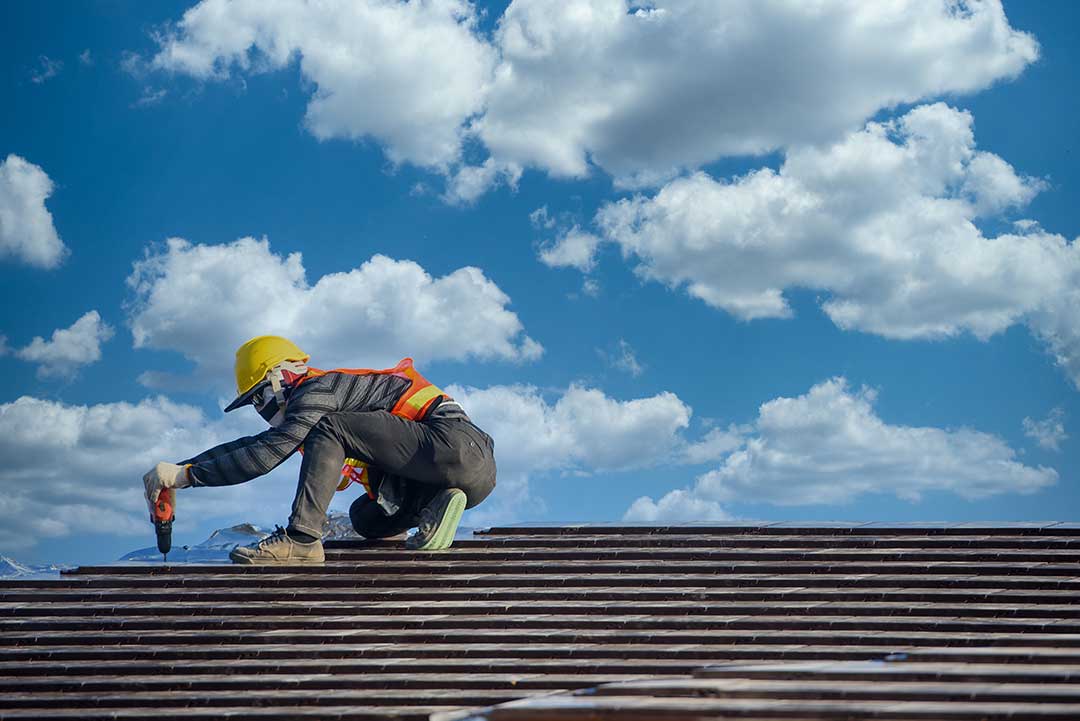
Pressure washing can remove granules from asphalt shingles, drive water beneath overlapping materials, and damage flashing or sealants. It may also make a roof look cleaner temporarily while reducing its ability to resist weather.
A garden hose with low pressure is generally less aggressive than a pressure washer, but even gentle water should not be directed upward beneath shingle edges, around vents, or toward loose flashing. Water should flow down the roof in a controlled manner.
If a roof requires high pressure to look clean, the underlying issue may be heavy moss, deteriorated roofing, blocked drainage, or a surface that is already near the end of its useful life. Cleaning cannot restore missing granules, cracked shingles, or failed sealant.
How do seasonal conditions in Peru, NY affect roof cleaning?
Seasonal weather deserves special attention in this area. Wet springs can leave roof surfaces damp, while summer shade and tree cover may encourage moss and algae. Falling leaves can collect in valleys and gutters during autumn. Winter snow and ice make roof access especially dangerous.
The safest cleaning window is usually a dry, mild period when the roof has had time to fully dry. Avoid working before freezing temperatures, during rain, or when strong wind is expected. Chemical treatments also work differently in cold weather, so label instructions should be checked carefully.
After winter, look for displaced shingles, exposed underlayment, damaged flashing, and gutters pulled away by ice or snow. Those conditions should be addressed before cleaning because brushing or walking can worsen the damage.
What should be checked after cleaning?
A basic post-cleaning inspection should include:
- Shingles that are missing, cracked, curled, or unusually bare.
- Exposed nails or underlayment.
- Loose flashing around vents, chimneys, and roof edges.
- Gutters that remain clogged or sagging.
- Downspouts that drain too close to the foundation.
- Moss or debris trapped in valleys.
- Water stains in attic spaces or on upper ceilings.
Do not walk repeatedly over the roof to perform this inspection. Binoculars can reveal many problems from the ground, and an attic check can identify moisture that is not visible outside.
If cleaning requires roof access that cannot be made safe, or if the roof shows structural damage, professional assessment may be necessary because fall prevention and material protection are more important than completing the cleaning task.
How often should a roof be cleaned?
There is no universal schedule. A roof with little shade and few nearby trees may need only occasional debris removal. A roof beneath dense tree cover may require inspection several times a year, especially after leaf fall and major storms.
Regular ground-level checks are more useful than automatic annual scrubbing. Watch for clogged gutters, growing moss, damp roof sections, and debris collecting in valleys. Early, gentle maintenance is less risky than waiting until buildup requires aggressive treatment.
